
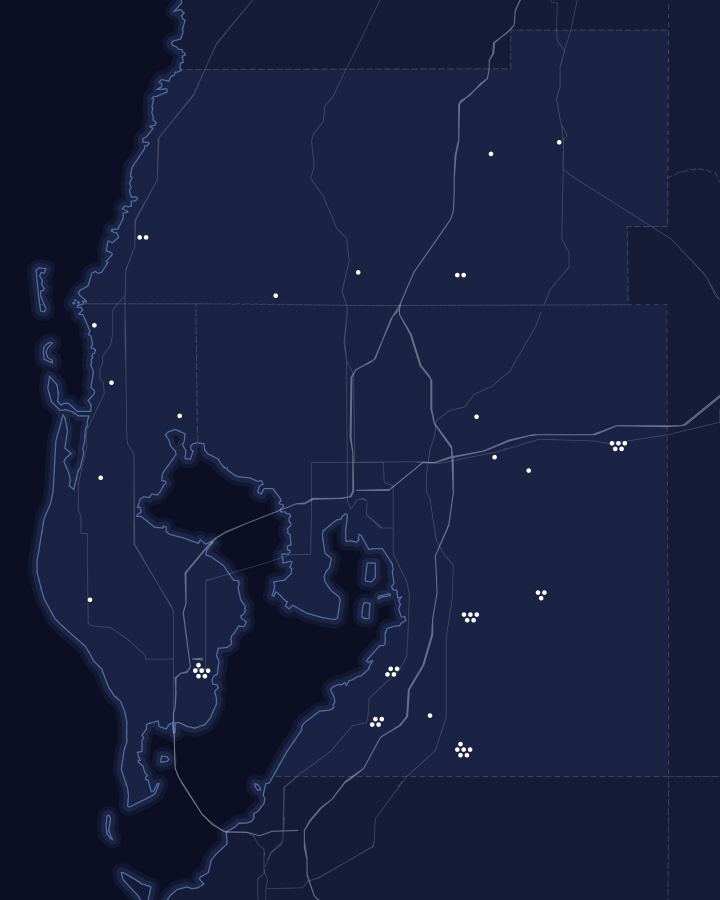

You found a new home in Wesley Chapel or Land O’ Lakes. The floor plan fits, the kitchen is gorgeous, and the builder’s advertised payment sounds manageable. Then someone mentions a CDD fee. Is that the same thing as an HOA? Is it included in the property taxes? Will it eventually disappear?
These questions matter in many Tampa Bay communities, especially when comparing new construction with an existing home. CDD assessments and HOA dues are not interchangeable, and you should understand both before you sign a contract or estimate your monthly housing costs.
The Short Version
A Community Development District (CDD) is a special-purpose local government created under Florida law to help finance, operate and maintain certain community infrastructure and services. A CDD may levy taxes or assessments on property within its boundaries. The details depend on the district.
A homeowners association (HOA) is a separate association governed by its own community documents. HOA assessments or dues pay for association obligations described in those documents.
A property can have both. Paying HOA dues does not automatically mean your CDD costs are included, and paying a CDD assessment does not replace HOA dues.
What Does a Florida CDD Pay For?
Community Development Districts are governed primarily by Chapter 190, Florida Statutes. Depending on the district, CDD financing and assessments can support public improvements and services such as roads, drainage, utilities-related facilities, landscaping or other authorized infrastructure. Do not assume every district provides exactly the same amenities or services.
Two types of costs commonly come up when buyers compare communities:
- Debt-service assessments. These may help repay bonds or other financing associated with district improvements. The schedule and remaining obligation depend on the specific district and assessment allocation.
- Operations and maintenance assessments (O&M). These support ongoing district operations, facilities and maintenance. Even if a particular debt assessment ends or is prepaid, O&M costs may continue and can change through the district’s budgeting process.
For a specific property, ask for the district’s assessment breakdown and current budget rather than relying on a general explanation or another home’s payment.
Where Do CDD Assessments Show Up?
In many Pasco County communities, CDD assessments are collected through the annual property tax bill as non-ad valorem assessments. Unlike property taxes based on taxable property value, non-ad valorem assessments are generally tied to a specified benefit, service or unit of assessment.
Florida’s Department of Revenue explains that proposed non-ad valorem assessments usually appear on the Notice of Proposed Property Taxes (often called a TRIM notice), but the levying authority may send notice separately; the final property tax bill may contain amounts not listed on the TRIM notice. Confirm with the district and county tax collector rather than treating one notice as complete. The amount shown for a particular parcel is the starting point for understanding that property’s costs, not a guaranteed forecast of future assessments.
How to Look Up a Pasco County Property
- Find the parcel using the Pasco County Property Appraiser’s records search. You can search using the address or other parcel information.
- Follow the property record to the Tax Collector information or use the Pasco County Tax Collector’s real estate tax records search.
- Review the current and recent tax bills. Look for a line item identifying a CDD or another non-ad valorem assessment.
- Identify the specific district, not just the neighborhood name. Check its published budget, assessment schedules, debt information and upcoming public meetings. The Property Appraiser’s taxing-authority contact list is a good starting point.
- Ask the seller, builder, title company or your real estate representative for current supporting documents and whether any assessments are paid separately rather than through the tax bill.
For a newly built home, a prior-year tax bill may not reflect the completed home’s future taxable value, exemptions or all current assessments. Have your lender and appropriate tax professionals help estimate the total carrying cost using current information.
Avoid double-counting: When CDD assessments are collected on the tax bill and the lender escrows that bill, the mortgage payment estimate may already include those assessments. Ask the lender to show exactly what is included in escrow before adding a separate “monthly CDD fee” to your budget. Some districts or assessments may instead be billed separately; confirm for the parcel.
Can a CDD Fee Go Away?
Sometimes part of it can. A district’s debt-service component may be tied to a bond schedule or another obligation with an eventual payoff. Some districts also have procedures for paying off particular debt assessments on a parcel. But these are district-specific, and prepayment may not eliminate the district’s operations and maintenance costs.
Never assume a community has “no more CDD” because an original bond was paid off. Instead, ask these questions:
- Is the amount shown on the current tax bill debt service, O&M, or both?
- Is any debt-assessment payoff available for this exact parcel, and what amount would be due?
- What is the bond maturity or current financing schedule?
- Which assessments remain after any payoff?
- When does the district set its next annual budget?
What Does the HOA Cover?
HOA dues are a separate line of investigation. Depending on the governing documents, they may support association-managed common areas, amenities, landscaping, administrative costs, reserves and other association obligations. The exact services, restrictions and fees can differ substantially, even between communities located near each other.
For a full picture, request the HOA’s current dues, governing documents, budget, financial disclosures and information about any assessments or planned changes that are available or required to be disclosed. Confirm whether certain services are billed individually or included in HOA dues.
If you are comparing homes in different neighborhoods, make the comparison consistent: purchase price, likely property taxes, CDD assessments, HOA dues, insurance, utilities, and other known recurring charges. Ask whether each CDD charge is already included in the property-tax/escrow estimate rather than counting it twice.
What Disclosure Documents Should Buyers Request?
For properties subject to mandatory HOA membership covered by Florida Statutes §720.401, a disclosure summary must be presented to the prospective buyer before the buyer executes the contract for sale. It addresses HOA membership, assessments and other potential assessments, among other matters. That statute also contains exceptions, including associations regulated under other chapters of Florida law. Do not assume the same disclosure form applies to every condominium, cooperative, or other property type. An attorney or closing professional can explain the documents required for the specific transaction.
Does Florida Require a CDD Disclosure for New Construction?
Florida Statute §190.048 requires a conspicuous CDD assessment disclosure in contracts for the initial sale of a parcel or residential unit within an established district. The notice explains that the district may levy taxes or assessments, and that these are in addition to other governmental taxes and assessments. That requirement is specific to the initial sale; a resale may be governed by different disclosure rules and contract terms, which is one more reason to review the district records yourself.
Florida Statute §190.009 also requires districts to take affirmative steps to disclose information about the public financing and maintenance of district improvements to existing and prospective residents.
These disclosures are reasons to investigate the numbers, not evidence that a particular home is a bad purchase. Before signing a contract, have your attorney or other qualified adviser explain any contractual or legal questions you do not understand.
Are CDD Communities a Bad Choice?
Not necessarily. Many buyers value newer infrastructure, planned amenities and services associated with well-managed communities. Others prioritize lower recurring expenses or prefer neighborhoods without a CDD.
The real question is whether the total cost and the community’s benefits fit your budget and plans. A house with a lower asking price can have a different ongoing cost profile than a similar house nearby. Conversely, a property with a CDD assessment may offer features the buyer considers worthwhile.
No one number tells the whole story.
Questions to Ask Before You Make an Offer
When you are considering a new-construction or resale home in Pasco County, ask for:
- The parcel’s current tax bill and any projected new-construction tax estimates.
- The name of its CDD, annual assessment and debt/O&M breakdown.
- The HOA’s current dues, restrictions, budget, applicable §720.401 disclosure summary or other required documents, and any special assessments.
- Any district debt payoff terms for that parcel, if available.
- Information about pending district or HOA budget changes.
- A full estimate of recurring housing expenses, not only the builder’s advertised mortgage payment, with tax-bill/escrow amounts identified so CDD assessments are not counted twice.
For additional new-construction questions, see my article on Lennar, Millrose and what Florida homebuyers should know. You can also browse new-home communities in Wesley Chapel, Land O’ Lakes and the rest of Pasco County.
Thinking About Buying in Wesley Chapel or Land O’ Lakes?
Whether you’re touring a new development or comparing an existing home nearby, I can help you organize the community information and questions that matter, including which assessments and association documents to obtain. For legal, tax or lending decisions, I’ll point you to the appropriate licensed professional rather than guess.
Kristen M. Bubis, REALTOR® | Florida Real Estate Sales Associate | eXp Realty, LLC | License #SL3643035
Contact Kristen to talk about your Tampa Bay home search
Editor’s note: Information in this article is current as of October 25, 2026. District budgets, assessments, association dues and statutes can change. This article was prepared with AI-assisted research and drafting tools and reviewed before publication.
Sources
Florida statutes and rules
- 2026 Florida Statutes, Chapter 190: Community Development Districts
- 2026 Florida Statutes §190.048: required disclosure to purchaser on the initial sale of property within a district
- 2026 Florida Statutes §190.009: disclosure of public financing
- 2026 Florida Statutes §720.401: homeowners’ association disclosure summary
- Florida Administrative Code Rule 61J2-10.025: real estate advertising
Official records and lookups
Disclosure: This article is general real estate information, not legal, tax, accounting, lending or investment advice. Assessment amounts and district budgets can change. Always verify a property's current records and consult the responsible district, local officials and appropriate professional advisers. Kristen Bubis is a Florida real estate sales associate affiliated with eXp Realty, LLC (License #SL3643035).
Questions about this article?
Kristen M. Bubis, REALTOR® · eXp Realty, LLC · License #SL3643035
Contact Kristen